Załamałam się po urodzeniu trojaczków – podczas gdy ja walczyłam o życie, mój mąż, dyrektor generalny, podpisał nasz rozwód na korytarzu szpitalnym
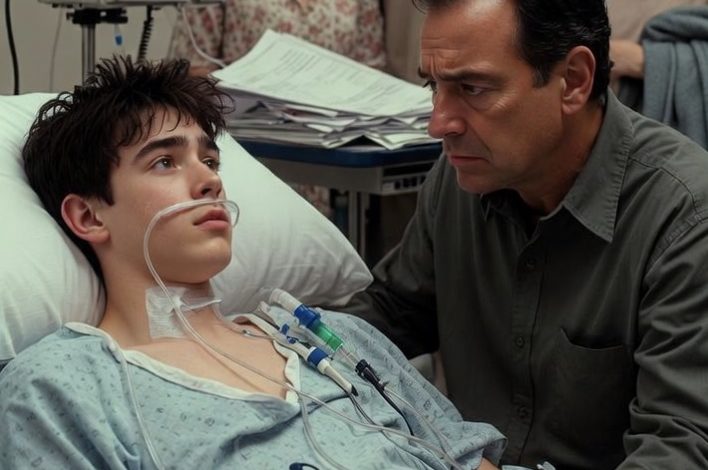
Zemdlałam po urodzeniu trojaczków. Moje serce przestało bić i wszystko pociemniało. Podczas gdy leżałam nieprzytomna na oddziale intensywnej terapii, mój mąż – Grant Holloway, wpływowy prezes – podpisywał nasze papiery rozwodowe na szpitalnym korytarzu. Lekarz ostrzegł go: „Proszę pana, pańska żona jest w stanie krytycznym”. Nawet nie podniósł wzroku. Zapytał tylko o jedno: „Jak szybko możemy to sfinalizować?”.
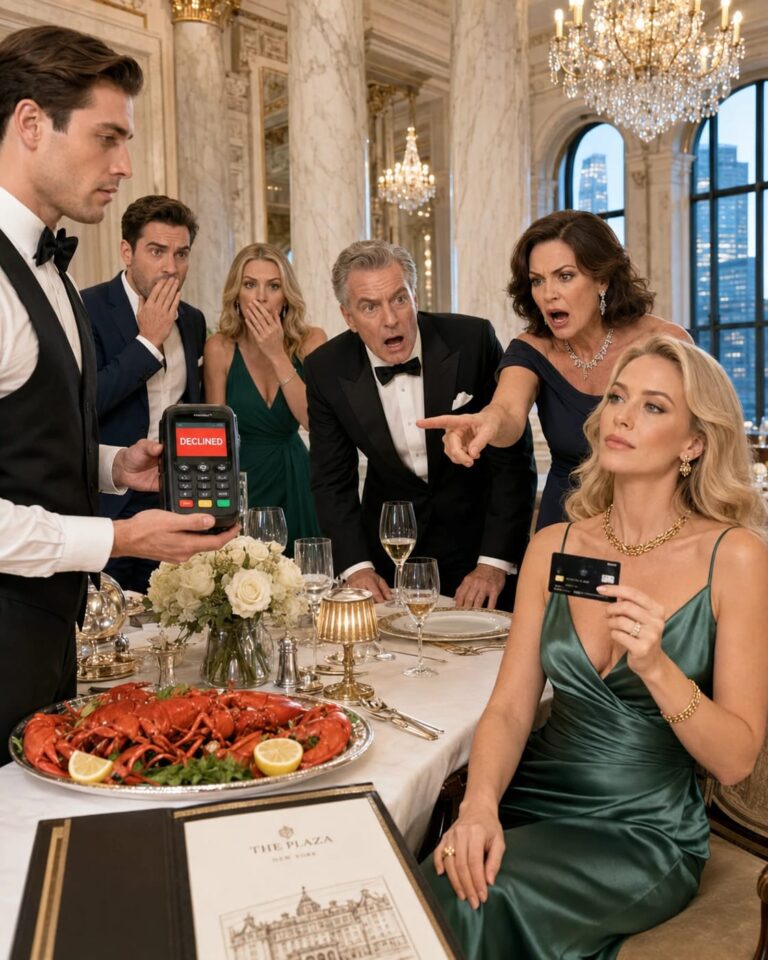
Kiedy się obudziłam, moje ubezpieczenie zostało anulowane. Moje noworodki zostały poddane kontroli. Administrator szpitala nachylił się i powiedział mi cicho: „Nie jesteś już członkiem rodziny”. Grant wierzył, że usunięcie mnie ze zdjęcia uczyni go nietykalnym. Nie wiedział jednak, że jego podpis właśnie uruchomił powiernictwo, klauzulę ochrony prawnej i odliczanie, które miało wymazać wszystko, co posiadał. A kiedy w końcu powiedział: „Musimy porozmawiać”… było już zdecydowanie za późno.
Tusz na papierach rozwodowych zaschł na szpitalnym korytarzu, który pachniał ostrym środkiem dezynfekującym i ledwo wyczuwalnymi śladami krwi. Za ciężkimi drzwiami bloku chirurgicznego leżałam nieprzytomna, z ciałem zszytym po cesarskim cięciu, które uratowało trzy przedwcześnie żyjące osoby, ale o mało nie odebrało mi życia.
Maszyny cicho szumiały. Czerwone światła mrugały w półmroku OIOM-u. Gdzieś w pobliżu pielęgniarka szeptała cichą modlitwę nad moimi monitorami, mając nadzieję, że moje serce się uspokoi.
Przed wejściem Grant Holloway poprawił mankiety włoskiego garnituru. Jego prawnik podał mu długopis. Grant bez wahania wziął go i podpisał się pewnym, wyćwiczonym pociągnięciem.
Dziesięć minut wcześniej moje serce stanęło. Grant nie zapytał, czy jego dzieci oddychają samodzielnie. Nie zapytał, czy kobieta, którą obiecał kochać aż do śmierci, się obudzi. Zadał tylko jedno pytanie: „Jak szybko można to sfinalizować?”.
Odpowiedź była szybka. Sprawna. Cicha. Dokładnie tak, jak lubił załatwiać interesy.
Lekarka weszła do korytarza, z wyrazem głębokiego wyczerpania na twarzy. Zdjęła maskę. „Panie Holloway? Pańska żona jest w stanie krytycznym” – powiedziała. „Potrzebuje…”
„Nie jestem już jej mężem” – wtrącił Grant, zamykając skórzaną teczkę z trzaskiem. Dźwięk odbił się echem w cichym korytarzu. Jego głos był spokojny, wręcz znudzony. „Zaktualizuj jej dane rodzinne”.
Lekarz spojrzał na niego zdezorientowany. „Nie ma na liście żadnej innej rodziny”.
Grant zatrzymał się na chwilę, żeby sprawdzić godzinę na swoim Patek Philippe. Potem skinął głową. „To zaktualizuj plik”.
He turned and walked away, his polished shoes clicking evenly down the hallway. He passed framed photos of smiling parents and newborn babies, images that mocked the transaction that had just taken place. Behind him, three tiny infants fought for breath in clear plastic incubators, already abandoned by their father.
By morning, I would wake up divorced, uninsured, and legally powerless. Grant, meanwhile, rode the elevator down to the underground garage where his black Mercedes waited.
His phone buzzed. A message from Bel Knox appeared on the screen: Is it done?
Grant typed one word: Yes.
As the car merged into thick Manhattan traffic, Grant allowed himself a thin smile. The timing was perfect. No custody battles. No fragile wife slowing him down. In six weeks, his company would enter its most important funding round. Investors wanted strength, not emotion. They wanted a man who cut ties cleanly.
Up in the ICU, a nurse gently placed my unconscious hand against the glass of an incubator. My babies were alive, but barely. In my sleep, my lips moved, forming a silent apology to children I had not yet met.
What no one in that hallway knew—not the doctors, not the lawyers, not even Grant himself—was that the moment he signed those papers, he triggered a chain of events that would dismantle everything he thought he owned. The woman he erased was about to become the most dangerous mistake of his life.
I woke to the sound of an alarm I didn’t recognize and an emptiness in my body that felt wrong, as if something essential had been stolen. My throat burned with dryness. My head pounded. For a terrifying moment, I didn’t know where I was or why I couldn’t move my legs.
Then the pain hit—a sharp, tearing ache across my abdomen that forced a gasp from my lips.
A nurse hurried over. “Easy,” she whispered. “You’ve been through a lot.”
“My babies,” I croaked. “Where are my babies?”
She hesitated, just long enough for fear to grip my chest. “They’re in the NICU. They’re alive. Very small, but stable for now.”
Relief washed over me so strongly I cried. “Can I see them?”
The nurse looked away. “There are… things we need to discuss first.”
A man I didn’t recognize entered the room. He wore a hospital badge marked Administration and held a tablet instead of flowers.
“Mrs. Parker,” he began, then corrected himself coldly. “Miss Parker. Room 202.”
The correction hurt more than the surgery.
“There has been a change to your marital status,” he said. “Your divorce was finalized early this morning.”
“That’s impossible,” I whispered. “I was unconscious.”
“The paperwork was valid,” he replied, tapping the screen. “Pre-signed contingencies.”
My heart raced. “Grant wouldn’t—”
“He did.” He turned the tablet toward me. Grant’s signature stared back at me, bold and final.
“You are no longer covered by Mr. Holloway’s insurance,” he continued. “Your children’s medical decisions are under review pending custody and financial clarification.”
“They’re my children,” I said, gripping the sheets. “Where is my husband?”
“Mr. Holloway has declined further involvement.”
After he left, I was moved to a smaller room. No windows. No monitors. A thin blanket. A clipboard of forms I couldn’t read through my tears.
Later, I was wheeled past the NICU. I saw them through the glass—three tiny bodies wrapped in wires and tubes. I reached out, but the chair kept moving.
That was when I understood. I hadn’t just been divorced. I had been erased.
That night, alone in the dark, a knock sounded at my door. Soft. Deliberate.
Grant Holloway, meanwhile, stood in his Park Avenue penthouse adjusting his tie. Sunlight poured through floor-to-ceiling windows. Manhattan lay below him, obedient and glittering.
His phone buzzed. Investor Breakfast: 9:00 AM.
He sipped black coffee, deleting messages about the triplets without reading them. The divorce had been clean. Surgical. Lynn had become a liability the moment the pregnancy turned risky. Grant eliminated liabilities.
Later that morning, in a glass-walled boardroom, he spoke confidently to investors. “No distractions. No instability.”
Then his assistant leaned in. “Sir, there’s an issue with one funding channel.”
“The Parker Hale Trust,” she whispered.
Grant frowned. He ignored the unease creeping in.
Back at the hospital, Dr. Naomi Reed stared at the chart for the Parker triplets. Financial review. Again.
She had seen this before.
She made a call.
That night, a man named Ethan Cole entered my room. “I’m here because of your name,” he said.
“Parker,” he explained, “is tied to a legacy trust. Your children activated it.”
Hope sparked.
“Grant didn’t know,” Ethan said. “And that’s his mistake.”
From that moment on, everything changed quietly.
Grant tightened his grip. He filed for emergency custody. He leaked stories. He waited for me to break.
I didn’t.
Silence became my shield.
At a charity gala, Grant smiled for cameras—until his phone buzzed. Anchor investors paused. Risk exposure. Parker Hale.
The board meeting came fast.
And this time, I was in the room.
Grant stared at me as documents slid across the table. His signatures. His decisions. His downfall.
“This isn’t personal,” the board chair said. “It’s protection.”
Grant lost everything piece by piece. Bel left. The calls stopped.
At the custody hearing, the truth spoke clearly. I won.
When the trust unlocked, I didn’t chase revenge. I paid hospital bills. I built security. I held my children.
Months later, I stood by a window, my babies sleeping peacefully nearby.
I hadn’t destroyed Grant.
I had survived him.
And that was the greatest justice of all.